What is Asset Tracking? A Complete Guide for Maintenance Teams.
Maintenance of the assets has become complicated for the large-scale companies. They need to know more about where their assets are, how they are being utilized, and when they need to be serviced. Asset tracking gives teams that visibility by letting them keep an eye on tools, equipment, and other key resources in real time.
When assets can't be found promptly, downtime goes up, productivity goes down, and maintenance teams waste time looking for equipment instead of fixing problems. This is where asset tracking becomes very important. So, what is asset tracking? The process of employing digital technologies like barcodes, QR codes, RFID tags, BLE beacon technology, GPS, and Internet of Things (IoT) sensors to track the location, condition, and use of physical assets.
These assets can include:
- Tools and equipment
- Vehicles and mobile assets
- Production and machinery equipment
- Parts and inventory
- Hardware and equipment for IT
With centralized software, an asset tracking system lets businesses record information about their assets, keep track of where they are moving between locations, and keep an eye on how well they are working.
Maintenance personnel don't have to rely on paper logs or manual spreadsheets anymore. They can utilize asset tracking software to get the correct asset data right away. This makes it easier to see how things are going and makes sure that teams always know where their equipment is and how well it is working.
This blog tells you how asset tracking works, its benefits, and how maintenance teams can use current asset tracking software like Innomaint to do it well.
Why Asset Tracking Is Important for Maintenance Teams
Teams that do maintenance need to be able to get to tools, equipment, and spare parts quickly. When information about assets is wrong or out of date, maintenance work becomes less efficient.
Using physical asset tracking and management provides many operational benefits.
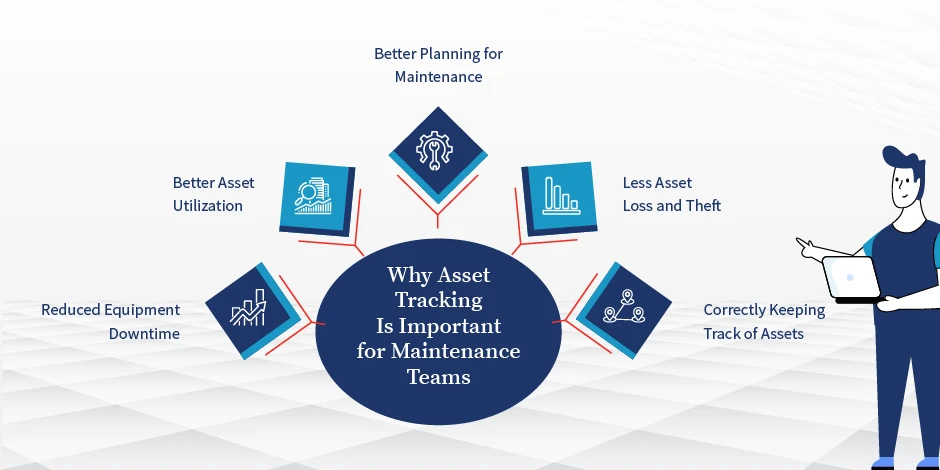
1. Reduced Equipment Downtime
When assets are tracked correctly, maintenance teams can find equipment and machinery promptly. This speeds up the process of fixing things and getting them back to working order.
For instance, with a digital asset tracking system, technicians can quickly find out where a tool is or who is using it right now.
2. Better Asset Utilization
Many companies buy extra tools without realizing it because they can't find the ones they already have. Asset tracking solves this problem by making all available assets visible.
Companies can make sure that equipment is used efficiently across departments by leveraging industrial asset tracking.
3. Better Planning for Maintenance
Asset tracking systems keep detailed records of assets, such as:
- Service records
- Plans for maintenance
- Data on how assets are used
- Performance metrics
This information helps maintenance teams plan maintenance ahead of time and avoid issues that come up out of the blue.
4. Less Asset Loss and Theft
Tools and equipment often migrate from one job site or facility to another. Without adequate tracking, it's easy to lose or misplace assets.
Companies may keep track of their assets and hold people accountable by using RFID asset tracking systems or barcode-based systems.
5. Correctly Keeping Track of Assets
It might be hard for maintenance crews to keep accurate records of their assets. Software for maintaining fixed asset inventories helps keep asset listings up to date and accurate by automating updates.
How to Track Assets
There are three main parts to asset tracking: identifying the assets, collecting data, and managing the software.
1. Identifying Assets
Each item gets a unique number. You can do this by:
- Barcodes and QR codes
- Tags with RFID
- GPS units
- Internet of Things sensors
These IDs help the system find and keep track of assets.
2. Collecting Data
When assets are tagged, data is gathered every time the asset is scanned, moved, or used. Depending on the technology employed, this information may include:
- Where the asset is
- Information about how to use it
- Status of the condition
- Maintenance history
In real-time asset tracking, sensors send data on assets to the system all the time.
3. Software for Tracking Asset
Centralized asset tracking software keeps track of all asset information. This platform lets maintenance teams:
- See where assets are located
- Keep an eye on the status of assets
- Set up maintenance duties
- Make reports
- Track asset performance
Platforms like Innomaint combine asset tracking with maintenance management, making it easier for teams to keep track of both equipment and maintenance tasks in one place.
Various Technologies for Asset Tracking
Depending on their operational demands, companies can use a number of different technologies to keep track of their assets. Here is the basic comparison among Barcode vs RFID vs GPS vs BLE Beacon.
Technology | How It Works | Best Use Case | Key Advantages | Limitations |
Barcode / QR Code | Scanned visually using a mobile device | Small tools, inventory tracking | Low cost, easy to implement | Requires line of sight, manual scanning |
RFID | Uses radio waves to detect tags automatically | Warehouses, bulk asset tracking | No line of sight, fast scanning | Higher setup cost |
GPS | Uses satellites to track location | Vehicles, outdoor assets | Real-time outdoor tracking | Not effective indoors |
BLE Beacon | Sends Bluetooth signals detected by nearby devices | Indoor asset tracking | Low power, real-time indoor tracking | Requires receivers or mobile devices |
Tracking with Barcodes and QR Codes
One of the most prevalent ways to keep track of assets is to use barcode and QR code systems.
This is how it works:
- You can scan or read a barcode or QR code on an asset.
- Technicians use their mobile phones to scan the code.
- The system automatically updates asset data.
This method is low-cost and straightforward to use, which makes it perfect for keeping track of and managing physical assets.
Tracking Assets with RFID
Radio-frequency identification (RFID) technology is used in RFID asset tracking solutions to keep track of assets automatically.
RFID tags are put on assets, and RFID scanners can find the tags when things pass by. RFID doesn't need a straight line of sight like barcode scanning does.
Several benefits of RFID are:
- Scanning assets faster
- Identifying assets automatically
- Less labor by hand
- Better inventory accuracy
A lot of warehouses, factories, and shipping companies use this technology.
Tracking IoT Assets
IoT asset tracking uses sensors that are connected to the internet to keep an eye on assets all the time and transfer data over the internet.
IoT sensors offer a way to monitor several key aspects:
- Asset location.
- Vibration and temperature levels.
- Operating conditions.
This technology is plays a vital role in monitoring the health of the equipments.
Companies may use IoT and maintenance software like Innomaint to do predictive maintenance and find problems before they happen.
Tracking Assets with GPS
People often use GPS tracking to monitor automobiles and mobile assets that move around a lot.
It lets companies see how their assets are moving in real time, which is very helpful for logistics, transportation, and field service operations.
Tracking Assets with BLE Beacon Technology
Bluetooth Low Energy (BLE) beacon technology is used in asset tracking solutions to monitor assets in real time, especially in indoor environments.
BLE beacons are attached to assets, and nearby devices like smartphones or gateways detect their signals to determine location and movement. BLE does not require GPS and works effectively indoors.
- Several benefits of BLE beacons are:
- Real-time indoor tracking
- Low power consumption and long battery life
- Easy deployment with minimal infrastructure
- Improved asset visibility
- Proximity-based alerts
Many warehouses, hospitals, offices, and manufacturing facilities use this technology to track tools, equipment, and inventory.
How Asset Tracking Works in Real Time?
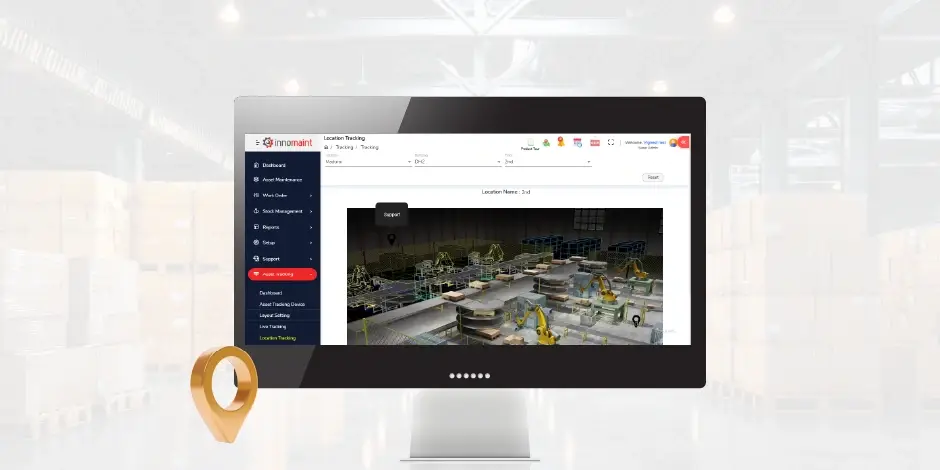
Manual updates are needed for traditional asset monitoring solutions, which might result in asset data that is out of current or wrong.
Real-time asset tracking solves this problem by letting you see where assets are placed and how they're doing in real time.
Maintenance personnel can keep track of assets right away across sites using technologies like RFID, BLE beacons, GPS, or IoT sensors.
This allows companies to:
- Find equipment swiftly
- Track how assets are used
- Monitor how assets flow across departments
- Make it faster to respond to maintenance crises
Organizations that depend on complicated equipment environments need to be able to track their assets in real time.
Asset Tracking and Asset Management
Even though people often use these words to mean the same thing, asset tracking and asset management are not the same thing.
Asset Tracking is all about keeping an eye on where assets are and how they move.
Asset Management is all about managing the entire life cycle of assets, from buying them to maintaining them to getting rid of them.
Innomaint is an integrated platform that integrates both activities by providing tools for tracking assets and managing maintenance in a complete way.
This integration gives maintenance teams better information about assets so they can make better decisions.
Important Features of Asset Tracking Software
Modern asset tracking software has a lot of features that make it easier to manage assets.
Database of Centralized Assets
A central database keeps track of all asset information, such as:
- Asset location ID
- History of maintenance
- Condition of assets
- Information about the warranty
This makes sure that all asset data comes from one place.
Access on the go
While working in the field or on the production floor, technicians can use mobile devices to get information about assets.
With mobile apps, people can:
- Scan the tags on your assets
- Change the records for assets
- Keep a record of maintenance work
- Look at the history of the asset
Scheduling Maintenance Automatically
A lot of asset tracking platforms come with options for scheduling maintenance.
This lets maintenance teams to:
- Make plans for regular maintenance
- Get alerts for maintenance
- Keep track of when maintenance is done
Reporting and Analytics
Detailed data and analytics from asset tracking software show how well assets are performing.
These reports assist companies find:
- Assets that aren't being used enough
- Equipment that breaks out a lot
- Trends in the cost of maintenance
- Asset lifecycle performance
Advantages of Tracking Industrial Assets
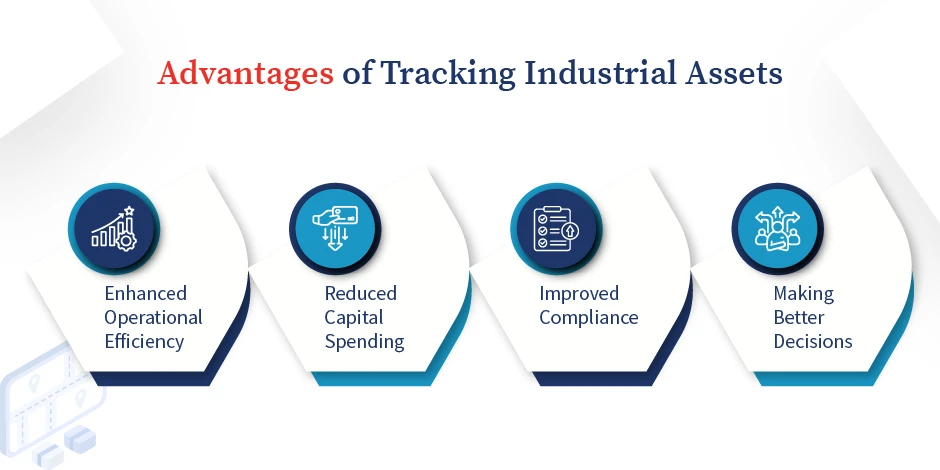
For businesses, keeping track of assets is very important for maintaining operations running smoothly.
Industrial asset monitoring helps manufacturers and maintenance teams keep track of a lot of tools, equipment, and replacement parts in huge, complicated facilities.
Key benefits are:
Enhanced Operational Efficiency
Maintenance staff can find tools and equipment easily, which cuts down on delays when doing repairs.
Reduced Capital Spending
Better visibility into existing assets stops people from buying equipment they don't need.
Improved Compliance
Organizations need accurate asset records to meet audit and regulatory requirements.
Making Better Decisions
Organizations can use asset performance data to make smart choices about whether to replace or repair equipment.
How Innomaint Supports Keep Track of Assets
Modern maintenance teams need more than just tracking the location of assets. They require a solution that combines information about assets with maintenance tasks.
Innomaint offers a full maintenance management platform with advanced asset tracking features.
With Innomaint, companies gain several advantages:
- They can monitor asset usage and location.
- They can maintain detailed records of all assets.
- They can schedule maintenance before problems arise.
- They can evaluate equipment performance.
- They can generate maintenance reports.
By integrating asset tracking software with maintenance management solutions, Innomaint helps businesses boost equipment reliability and streamline their maintenance processes.
Best Practices for Establishing an Asset Tracking System
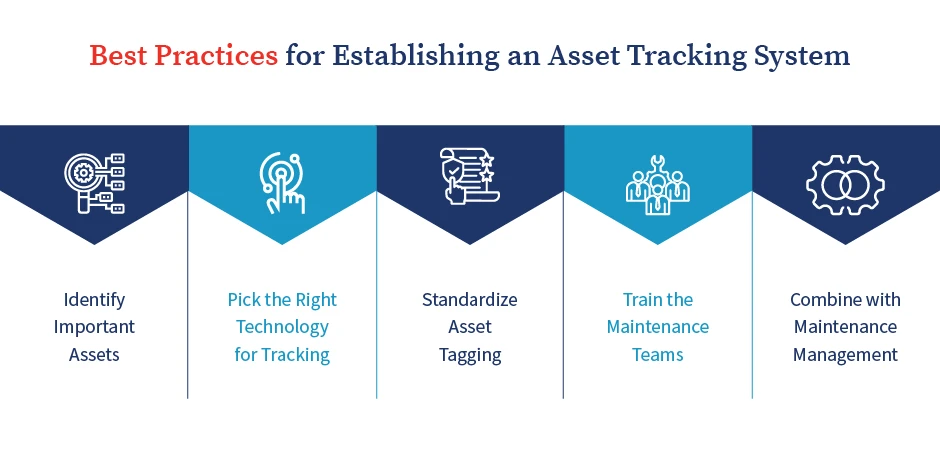
To make sure that an asset monitoring system works, you need to prepare ahead.
Identify Important Assets
First, figure out which assets are the most crucial to keep an eye on. These usually include expensive equipment, items that are utilized a lot, and machines that are very important to the purpose.
Pick the Right Technology for Tracking
Choose a tracking technology that aligns your business demands.
- Simple tracking with barcode systems
- RFID for managing inventory automatically
- Sensors for monitoring equipment in the Internet of Things (IoT)
Standardize Asset Tagging
Make sure that all assets are labelled the same way and have their own unique identities.
This keeps things from being mixed up and makes sure that assets are tracked correctly.
Train the Maintenance Teams
Give technicians and maintenance workers the training they need to make sure they know how to utilize the system correctly.
Combine with Maintenance Management
You can get the most out of your asset data by combining it with maintenance management systems like Innomaint.
What Will Asset Tracking Be Like in the Future
The world of asset tracking is changing quickly as more and more people uses cutting edge technologies.
Some new trends are:
- Asset Analytics that use AI.
- IoT sensors can help with predictive maintenance.
- Cloud-based systems for asset tracking.
- Digital twins for monitoring assets.
These new technologies will help organizations pay more attention to their equipment and make their maintenance easier.
As smart manufacturing becomes more popular, tracking assets using the Internet of Things (IoT) and in real time will become even more important. These technologies are very important for making processes run more smoothly and more efficiently.
Final Thoughts
For maintenance teams, asset tracking is a crucial capability in today's landscape. It allows businesses to streamline their maintenance operations, minimize operational interruptions, and maximize asset utilization. This is achieved by providing immediate access to data regarding asset locations, usage patterns, and overall performance.
Companies can better manage their physical assets with technologies like barcode scanning, BLE beacon technologies, RFID asset monitoring, or IoT-based asset tracking.
With a robust maintenance platform such as Innomaint, asset tracking becomes significantly more valuable. Maintenance personnel are capable of far more than just monitoring assets. They're often tasked with scheduling maintenance, evaluating how assets are performing, and using data to inform their decisions.
As facilities grow more intricate and equipment becomes increasingly interconnected, a robust asset monitoring system will be crucial for maintaining smooth and efficient operations.
For maintenance teams aiming to gain better visibility and control over their equipment, modern asset tracking software has evolved from a mere option to a strategic necessity.
Frequently Asked Questions
Tracking assets cuts down on idle time, makes better use of what’s available, and helps prevent things from going missing. It also streamlines maintenance schedules and gives a clear view of what’s happening with the equipment, right now.
Depending on the use case, any one of the following technologies can be used.
- Barcodes – low-cost tracking
- RFID – automation
- GPS – outdoor assets
- BLE beacons – indoor tracking
- IoT – condition monitoring
Asset tracking focuses on location and movement. Asset management covers the full lifecycle, including maintenance, performance, and disposal.
It helps with immediate data, assists in scheduling maintenance tasks, and keeps a record of an asset’s history, leading to greater efficiency and fewer manual processes.