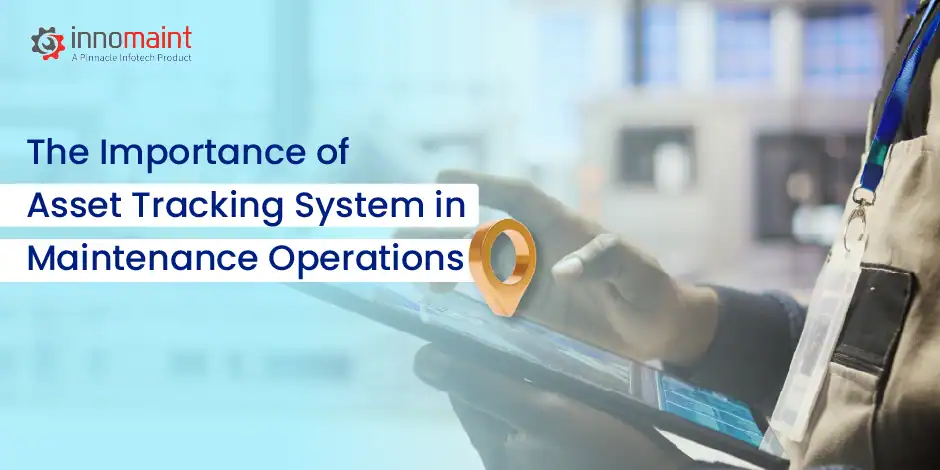
The Importance of Asset Tracking System in Maintenance Operations
The contemporary business environment requires an unmatched level of efficiency and accuracy in operations within various industries. Companies are now aware that proper maintenance is not an option but a matter of survival. Sophisticated asset management is more important than ever in terms of organizational success. This increasing demand for improved solutions is mirrored in the global asset tracking market. In 2024, the market was worth $23.42 billion and is expected to rise to be worth $59.64 billion in 2032. This dramatic growth demonstrates the fact that organizations all over the world are investing heavily in asset tracking systems.
Understanding Asset Tracking Systems
An asset tracking system is a technological solution that helps organizations track and manage their physical assets throughout their asset lifecycle. These systems employ the use of the latest asset tracking technologies to give real-time visibility on the location, condition and utilization of assets. Businesses can track assets effectively through the use of comprehensive asset tracking solutions within various job sites and operational environments.
Modern asset tracking software is not limited to location monitoring. They provide a comprehensive set of features to help in scheduling of maintenance, managing inventory, and strategic decision-making. Such systems save time, minimize human error, and help streamline workflow processes by automating time-consuming processes that commonly use outdated Excel spreadsheets.
Core Technologies Powering Asset Tracking
The digital transformation journey is now imperative for manufacturing companies to gain a competitive edge. Technology, now extending beyond traditional automation, entails supply chain management, production, and maintenance.
A vital component of this digital transformation lies in data processing closer to the source through edge computing. It enables real-time visibility into operations and predictive analytics on a whole other plane. For example, by implementing digital manufacturing processes, General Motors ended up reducing downtime by 20%.
GPS and Location-Based Technologies
GPS asset tracking is one of the most used asset tracking technologies in contemporary maintenance operations. GPS asset trackers offer very accurate tracking information that helps organizations find out the current position of a particular asset at any moment. This technology is especially beneficial to fleet managers who have to deal with vehicle fleets, or organizations that have enterprise wide assets spread across various locations.
RFID and NFC Technologies
Radio frequency identification (RFID) technology uses radio waves to automatically detect and monitor the assets within given ranges. Equipment and tools have RFID tags that allow the collection of data to be automated without necessarily having to scan them in a line of sight. This technology is best suited for inventory management purposes where an organization requires tracking assets in warehouses, manufacturing facilities and educational institutions.
Bluetooth and IoT Integration
Cost-effective indoor asset tracking can be achieved using Bluetooth low energy (BLE) beacons and other Internet of Things (IoT) asset tracking devices. These technologies are compatible with iOS apps, allowing field technicians to rapidly identify assets and update asset information in real time.
QR Codes and Visual Recognition
QR codes provide a low-tech but efficient way of asset tracking, especially among organizations that have tight budgets or where assets do not need to be tracked 24/7. Such codes are capable of storing critical asset information and maintenance records, which can be accessed with ordinary smartphone cameras.
Benefits of Asset Tracking in Maintenance Operations
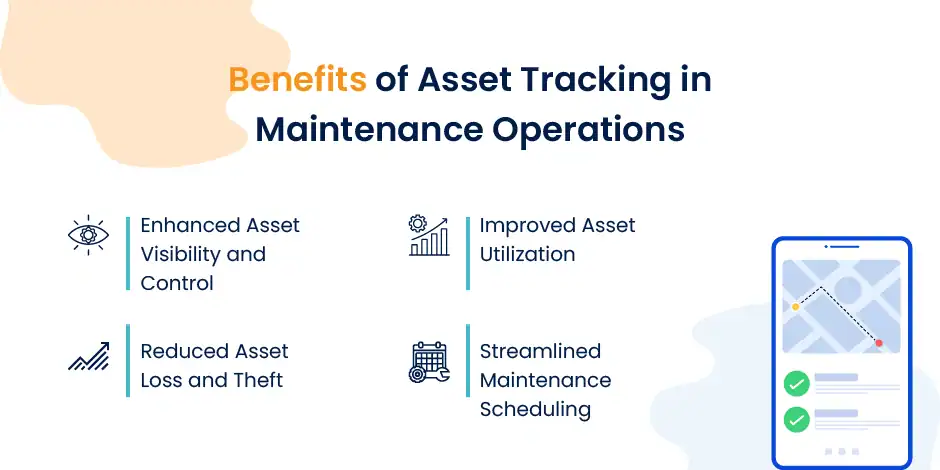
Enhanced Asset Visibility and Control
Deploying an asset tracking system enables organizations to have visibility of asset portfolios as never before. Real-time visibility helps maintenance teams to find critical assets fast, saving time on finding equipment and tools. Such improved visibility is directly converted into high-efficiency operations and lower labor expenses. Cloud based asset management systems will make the asset data accessible anywhere and this makes it possible to monitor and manage the assets remotely.
Improved Asset Utilization
Efficient asset tracking can facilitate better asset utilization through the identification of assets with low utilization and optimize the deployment process. Using location data and usage patterns, companies can make more informed decisions regarding how to place their assets, which can lead to less additional purchases and a higher ROI. The asset utilization metric allows organizations to know which assets present the most utility and which ones might need to be replaced.
Reduced Asset Loss and Theft
Among the direct advantages of implementing an asset tracking system is the minimal loss of assets. Conventional ways of handling assets usually lead to the loss of equipment and tools at different workplaces. The modern tracking system solutions give notifications in case an asset leaves specific areas, thereby assisting organizations in curbing thefts and unauthorized asset movement.
Streamlined Maintenance Scheduling
The key asset tracking features are extensive maintenance history tracking and automated maintenance scheduling. Organizations can adopt predictive maintenance strategies by keeping detailed records of the maintenance activities to reduce the occurrence of unforeseen breakdowns, as well as prolong asset life. This strategy maximizes resource utilization and makes sure that the most important and high value assets are given priority in maintenance.
Implementation Across Different Industries

Manufacturing and Industrial Operations
Asset tracking systems that track heavy machinery and other production equipment are very useful in manufacturing environments. The systems assist in ensuring production efficiency as they keep the crucial assets operational and well maintained. In manufacturing facilities, asset tracking work usually entails tracking both location and equipment performance metrics.
Healthcare and Educational Institutions
Educational institutions and health facilities deal with thousands of assets, including medical equipment and IT hardware. Asset tracking software assists these organizations in meeting regulatory requirements and ensures that critical assets are available as and when required. IT assets deserve special focus because of their value and security concerns.
Construction and Field Services
Construction companies and field service organizations have to work on various job sites and need various tools and equipment. Asset tracking solutions allow such organizations to integrate the use of their assets in a more efficient manner and minimize the chances of loss/theft of their equipment. GPS asset tracking is crucial for fleet managers in these industries as they use it to manage vehicle fleets and mobile assets.
Transportation and Logistics
Transportation and logistics companies deal with large vehicle fleets and high value assets over large geographic regions. Asset tracking systems offer real time updates on vehicle locations that allow fleet managers to optimize routes, the behavior of drivers, and ensure that the deliveries are on time. Asset management software combined with GPS asset trackers assists these organizations in minimizing theft, maximizing use of their assets, and having a complete record of the maintenance history to comply with regulations.
Technology Integration and Data Management
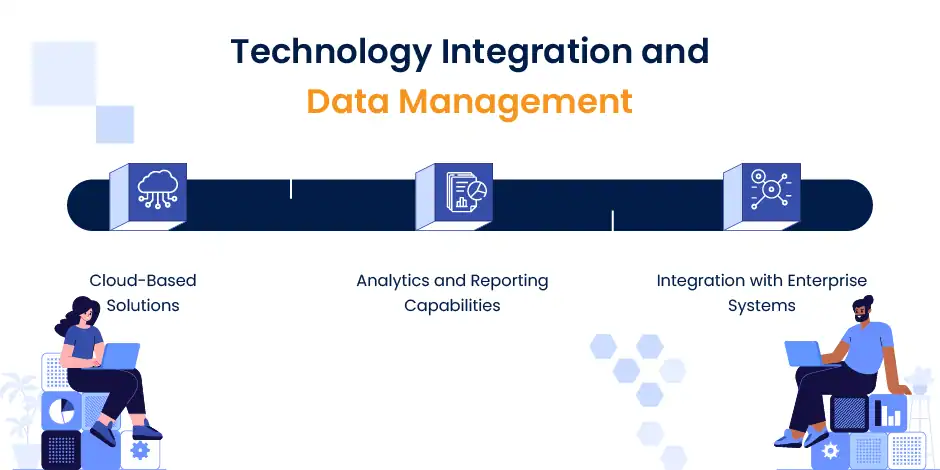
Cloud-Based Solutions
Cloud based asset management systems are capable of delivering the scalability and accessibility needed to operate asset tracking operations in the modern world. They do not require complicated on-premises infrastructure but offer high data security and backup facilities. Cloud based asset platforms are compatible with the existing business systems and provide a complete view of assets across all business functions.
Analytics and Reporting Capabilities
Professional asset tracking systems have high-end analytics and reporting modules that convert raw data sources into meaningful insights. These options allow organizations to detect trends in asset utilization, estimate maintenance needs and streamline operations using past performance data. Adjustable dashboards and automated reports guide business to make informed decisions regarding asset investments, replacement schedules or resource allocation in different industries.
Integration with Enterprise Systems
Effective asset tracking systems must be able to integrate with the existing enterprise resource planning (ERP) and maintenance systems. Such integration guarantees that asset information is transferred efficiently across systems, which removes data silos and offers the complete picture of asset performance and usage.
Cost-Benefit Analysis and ROI
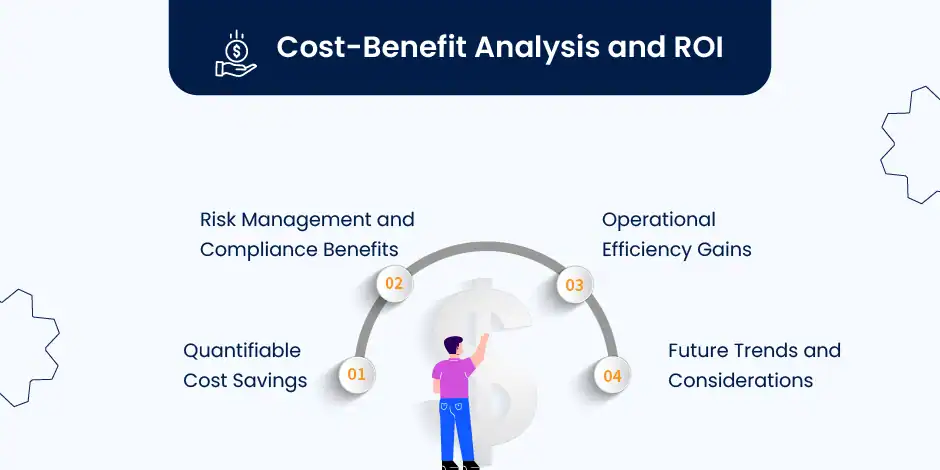
Quantifiable Cost Savings
Companies which adopt extensive asset tracking systems are able to achieve substantial savings over time due to the minimized asset loss, better asset utilization and optimized maintenance program. These cost savings usually pay off the initial investment in asset tracking technologies in the first year of use. Organizations have improved control over their asset portfolios, which lowers the total ownership cost of all asset types.
Risk Management and Compliance Benefits
An asset tracking system offers great risk management benefits in the sense that important assets are tracked to stay in approved zones and are maintained. The comprehensive maintenance history records and audit trails are some of the characteristics through which organizations could demonstrate regulatory compliance. Compliance features of asset tracking allow businesses to evade fines and ensure business excellence.
Operational Efficiency Gains
In addition to direct cost reduction, asset tracking systems enhance the efficiency of operations by saving time spent to check the location of assets and to synchronize maintenance operations. Such efficiency means better productivity and capability to deliver better services for all business functions.
Future Trends and Considerations
Maintenance operations are being pushed through innovation as new asset tracking technologies evolve. New technologies like artificial intelligence and machine learning are making their way into asset maintenance management software to offer predictive intelligence and decision-making that is automated.
Companies that are planning to implement asset tracking solutions are advised to carefully analyze their needs and choose the solutions that could best meet their business requirements and expansion strategies. The secret behind successful implementation is to select scalable and flexible solutions that can be scaled to meet the changing demands of the business.
Conclusion
Asset tracking systems are essential in the process of maintenance. Such systems form the basis of effective asset management that allows organizations to maximize the use of resources, minimize expenses, and enhance the operations. With the further development of technology, the process of asset tracking will be more advanced and will bring even more benefits to organizations in different sectors.
Frequently Asked Questions
An asset tracking system uses technologies like GPS, RFID, BLE, and QR codes to monitor the location, usage, and condition of assets in real time. It improves visibility, speeds up asset retrieval, prevents loss, and enables scheduled upkeep so maintenance becomes proactive rather than reactive.
Asset tracking enhances operations in manufacturing (ensuring uptime), healthcare & education (compliance & availability), construction & field services (tool management), and transportation & logistics (fleet optimization and theft reduction).
Core technologies include GPS for outdoor tracking, RFID/NFC tags for inventory, Bluetooth BLE beacons for indoor location, QR codes for budget tracking, and cloud platforms with analytics for data access.
Asset tracking reduces maintenance costs by preventing asset loss, improving utilization, enabling scheduled maintenance, and reducing emergency repairs, typically paying back implementation costs within a year.
Important considerations include data accuracy, choosing scalable cloud-based solutions, user training, and selecting relevant tracking parameters such as location, usage, environmental or energy metrics.