The Future of Field Service Management: Enhancing Customer Relationships & Embracing Innovation
Today, the concept of field service management is actively changing, and such organizations are becoming much more important revenue producers.
This is not simply the new ‘flavor of the month’; rather, it is fast becoming a necessity as organizations identify the opportunity to significantly leverage service and dispatch scheduling operations into direct contributors to their bottom line.
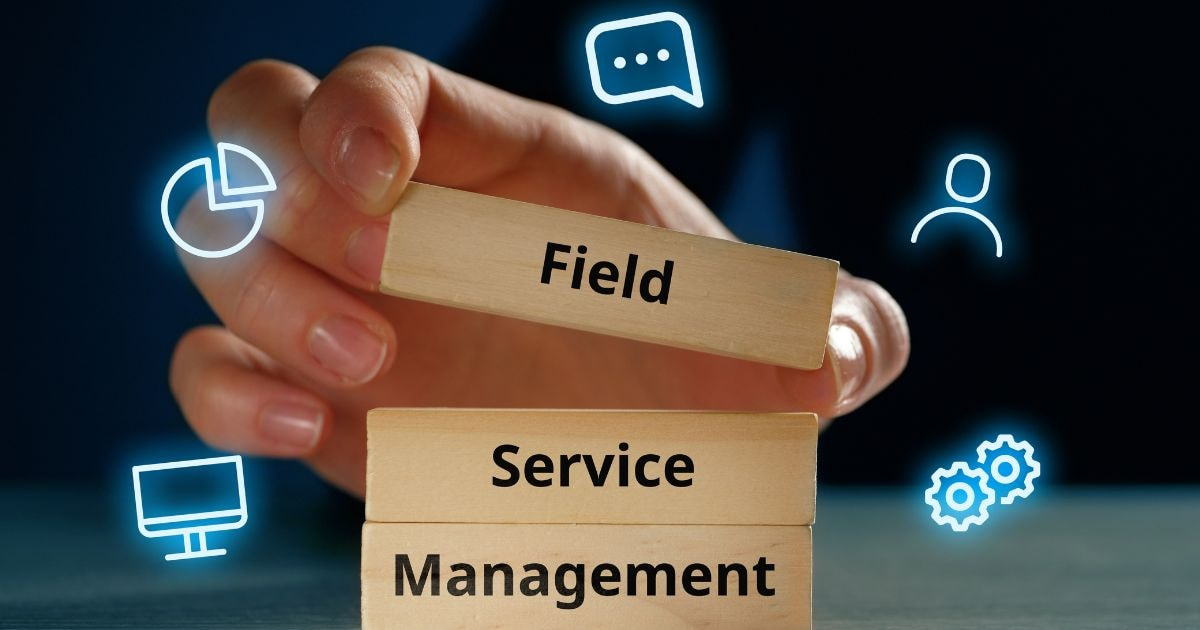
Here are some of the ideas that we expanded on in this blog; let’s begin…
Service Can Extend and Enhance the Current Relationship with The Customers
There is the growing appreciation of investing in a FSM software as a way of building customer intimacy.
Every day managers and executives of organizations are waking up to the fact that field service is not only a problem-solving model, but it has potential to be a rich source of customer satisfaction and growth.
Building on this, companies willing to proactively invest in product servitization can use a field service management solution to build a ‘win-win’ opportunity furthering the client relationship.
Manufactures who incorporate services into their products have a chance of developing better customer relations and customer satisfaction.
Service Is Therefor a Growth Factor
The conversation also included the fact of huge possibilities of investing in digital tools in order to enhance the effectiveness of services and their implementation, such as advancements in AI.
Technologies of today allow technicians to rise to the occasion, to improved productivity and ultimate perfection.
A good example is the advancement in the application of artificial intelligence in field services, which point to actual gains in servicing efficiency and in general performance.
It is believed that this trend will persist in the future, which would mean that the field would combine advanced technology with man’s knowledge and skills.
The work has suggested that there is one area that requires particular attention in the case of AI and other similar innovations: this is how these tools are introduced into the process and communicated to the field technicians.
Field Service Management Software Has to Be Built into Digitalization

When assessing the concept of digital change, the disintegration of functional silos and development of a seamless customer journey has become a promising model to generate ever greater customer value.
One such example of a benefit that can be captured is to provide more self-service by field technicians and end users.
However, this is only possible when multiple systems and integrated data source feed across more than one department.
One of the key parts of this strategy is the transfer of field service data across the scope of the organization.
The elimination of these silos makes it easier to approach service delivery because there is lot of integration that is done.
And it is this ethos of collaboration that introduces a Service Lifecycle Management approach and links service to engineering.
Such a logical progression conforms to an organization’s digital thread strategy which is fast emerging as an innovative way of synchronizing service operations with the general organizational vision.
Embracing Change Management
The interview also made a point out of stressing not only the acceptance of change but its effective administration.
The word of warning emphasized on the fact that when embarking on the adoption of new technologies or other organizational transformations, profound change management strategies must be put in place.
As it has been evidenced by various studies, the institutional framework for implementing Change Management can help the organization to observe better results from new activities.
Communication is a vital aspect of the change process and therefore setting expectations and managing change is a critical success factor in the achievement of the full potential of FSM strategies.
Looking towards 2024 the big picture of Field Service Management is set to deepen its penetration and experience enhanced innovations.
The changes that have occurred in the way FSM organizations operate and their focus on generating revenue, the centrality of the customer relationship and the emergence of digital technology all suggest that the current environment requires flexibility and innovation.
To overcome issues of silo mentality, to adopt technologies, and to manage change successfully, organizations can pave the way to the FSM revolution and continue to be successful into the future.
Author’s Bio:
Justin William, a dedicated Garden city injury lawyer, has over 15 years of experience advocating for accident victims. In his free time, Justin enjoys gardening and hiking, which reflect his commitment to balance and well-being both personally and professionally.