The Future of Facilities: How Technology Is Transforming Building Operations

The field of facility future management, the practice has undergone far-reaching transformation, driven in large part by the innovation and application of these disruptive technologies. There is nothing more than just altering the view of FM. The landscape of the FM is redefined via digital transformation to help facilities accomplished desired environmental status, performance and optimization.
Here’s How Technology is Transforming Facility Operations:
- Internet Of Things (IoT) Integration – Such smart network is built over data collection from the sensors and various smart devices that provide real-time picture of the facility environment, utility consumption, and facility operations. Facilities management can now track and control everything they need such as energy, water or gas, perform better preventive maintenance and resource allocation online. The connectivity presents us the feature of smart facilities which can sense the air quality and provide recommendations to improve the air quality.
- Data Analytics to Capture the Data – Although being flooded with data collecting devices has made data analysis one of the best knowledge sources that improves a company’s performance significantly. By using predictive analytics, facilities managers can avoid system malfunction or strongly optimize the energy consumption and the result will be saving the expenses and successfully reducing the footprint environmental.
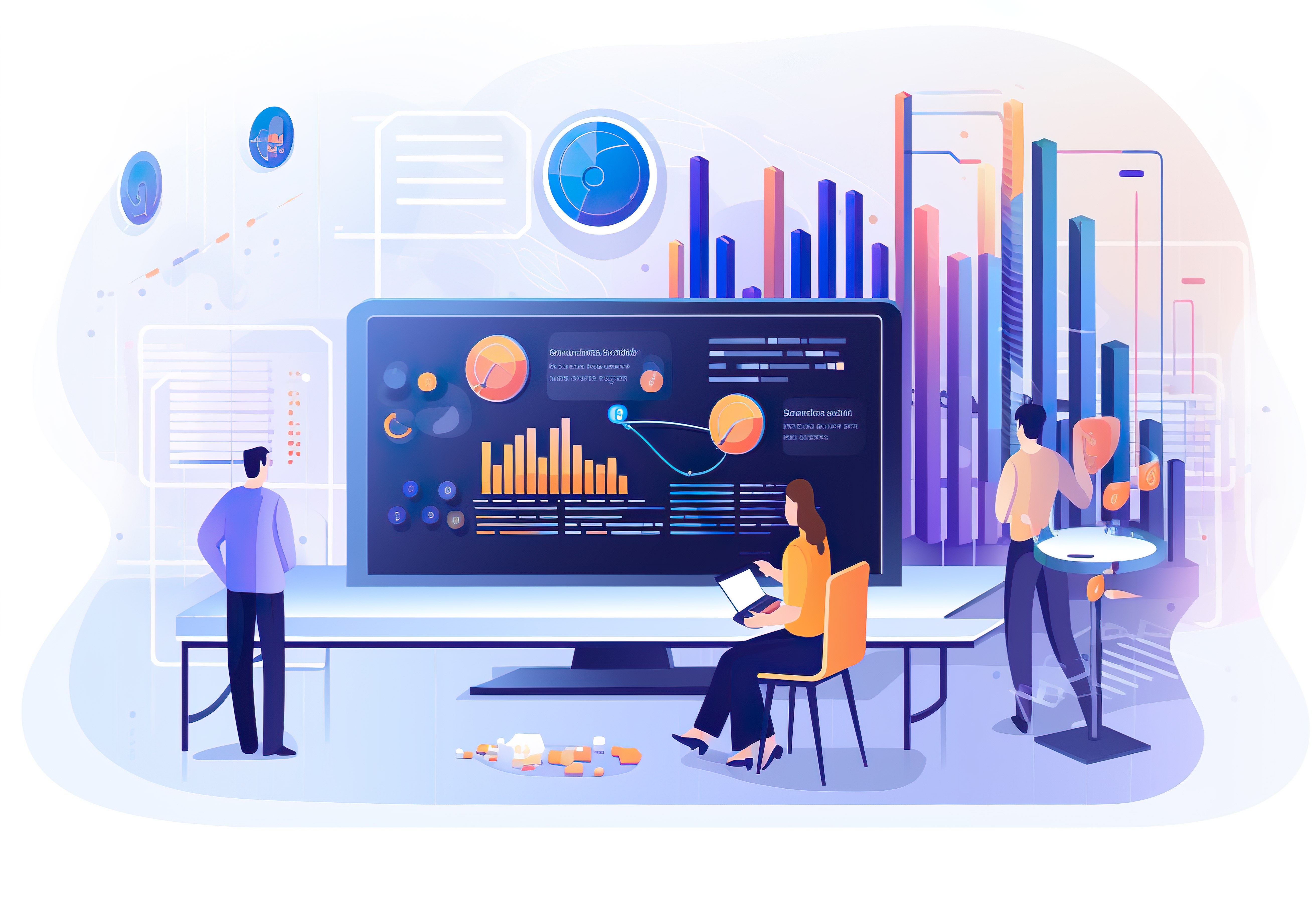
- Business process and workflow automation: Businesses can automate repetitive tasks effortlessly for error free operations with solutions for their specific requirements. Workflow automation is a low-code solution that shortens the development cycle, saves time, and helps achieve quick results. It helps teams to focus on core innovations.
- Cloud Computing Cloud-Based Building Operations – is based upon while they are the main area for which the tasks are conducted. This advance provides a way for team cooperation, information exchange, and mobile control, giving managers a chance to respond to any issue and handle the operations even though they are far away.
- AI And Machine Learning Algorithms- now have many engines to do the same, learning models that find patterns and make decisions are better than ever. In building operations, all these technologies can enhance the efficiency of building control systems, optimize maintenance schedules with predictive management, and even enhance the security systems by the means of facial recognition.
An AI enabled visitor management system can detect face masks worn by visitors entering the facility and alert on entries without due authorization or overstays. An AI powered occupancy management software can alert facility managers upon overcrowding in any section of the facility.
According to a Gartner article, 70% of manufacturing data recorded by software applications remains unused or underutilized. A CMMS can bridge the gap with Artificial Intelligence (AI) technologies and Machine Learning (ML) algorithms. Such a CMMS can help recognize the vehicle number plates and self-improve the performance.
The AI algorithms can analyze real-time data to recognize patterns, anticipate failures, and prescribe optimal maintenance strategies.
- Green Technology and Sustainability – The advancement of green technology is the paving the way for the implementation of sustainable operational procedures into building operations. While it is true that smart systems which help for the smart management of heating, ventilation, air conditioning (HVAC), lighting, and water usage not only they save resources, but they also are in green building standards, consequently contributing to the healthier planet.
- VR and AR Make It Possible to Adapt the Maintenance and the Training Procedures – in Facility Management in the future where the Field Staff Perform their Routine Works. These tools mimic environments to help training processes safety wise, training will not involve accidents. AR in particular will place digital information on the current world rather than the virtual world, for example, in the training of repairing and maintenance.
- Mobile Technology Digital Devises –has enhanced the extent to which facilities manager function, effectively enabling them to be reactive, approving workflows and monitoring control systems through phones and tabs. Through management mobility solutions, the managers can tackle the matters in such a quick manner and gain control of the facilities at any location.
Conclusion
Therefore, we could justifiably conclude that technology isn’t just cutting-edge; it increasingly enhancing buildings and complex management. It’s a transformation that is coming along with the creation of intelligent units that save energy, move with flexibility, and adapt to the environment of its occupants. With rapidly changing technological trends, the capacities and roles of facilities management & building operations is set to evolve in time, creating an environment where buildings are not merely the spaces but are dynamic systems of life that improves the quality of lives for all inhabitants.
Author’s Bio:
Mark Berry is a technology enthusiast, self-care blogger, and paralegal at a Filling Bankruptcy. He writes about social and legal challenges with the goal of assisting readers in finding intelligent solutions to problems rather than difficult ones. He also enjoys giving his personal thoughts on how technology is transforming building operations & changing the environment of the world.